


Iron pyrite, also known as "fool's gold," is a naturally occurring mineral used in a wide range of industrial applications, including the production of sulfuric acid, as a catalyst in the petroleum industry, and in the manufacturing of electronics. Iron pyrite powder is beneficial due to its ability to act as a low-cost raw material for chemical reactions, as well as its role in the production of various products. However, sourcing high-quality iron pyrite powder for industrial use requires careful consideration. Below are key steps and factors to consider when sourcing iron pyrite powder.
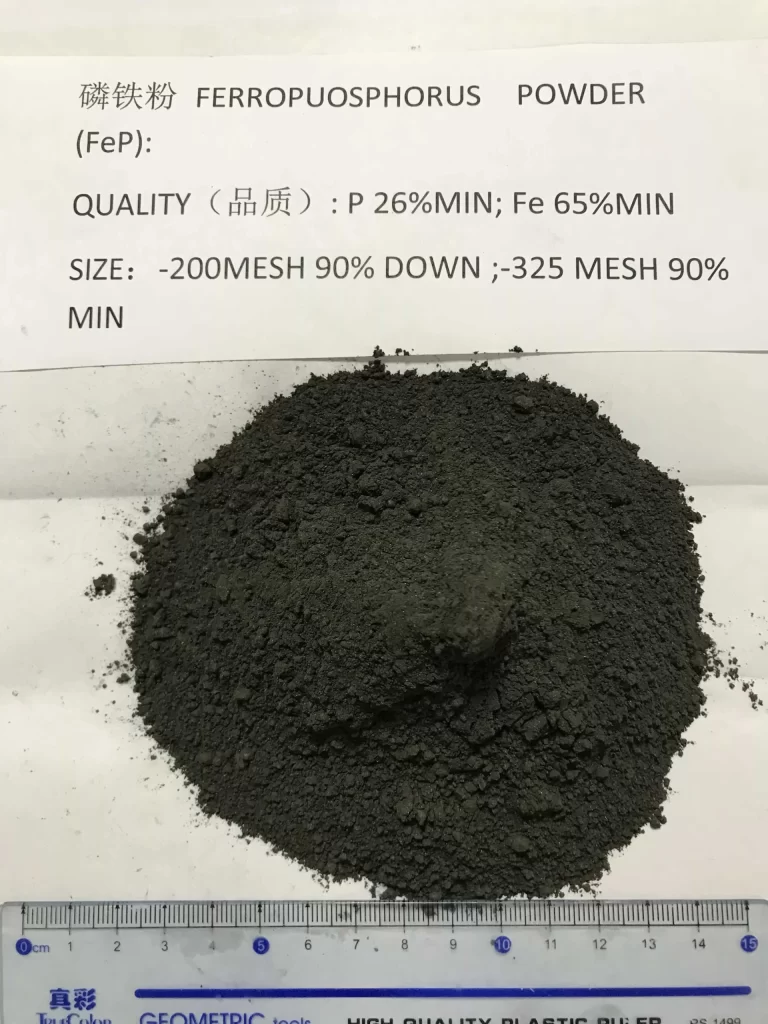
1. Understand the Properties and Uses of Iron Pyrite Powder
Before beginning the sourcing process, it’s important to understand the basic properties of iron pyrite powder and its industrial uses. Iron pyrite (FeS₂) is a compound made of iron and sulfur and is a common sulfide mineral. In its powdered form, iron pyrite has a variety of applications across industries such as:
- Sulfuric Acid Production: Iron pyrite is used in the production of sulfuric acid, one of the most important industrial chemicals.
- Catalysts: They are used as a catalyst in the petroleum industry to improve the efficiency of certain chemical processes.
- Battery Production: Iron pyrite is used in the development of lithium-ion batteries due to its potential in energy storage technologies.
- Pigments: The powder is sometimes used to create yellow pigments for various products.
Having a clear understanding of the required purity and particle size for your specific application is critical before sourcing iron pyrite powder.
2. Identify Reliable Suppliers
Finding a reliable supplier is the most crucial part of sourcing quality iron pyrite powder. The right supplier will not only provide a high-quality product but will also offer consistency, competitive pricing, and reliable delivery timelines. Here are a few approaches to find good suppliers:
- Industry Trade Shows and Conferences: Attending industry events is a great way to connect with reputable suppliers of iron pyrite powder. Many companies showcase their products at trade shows and provide samples, which can help assess the quality of their offerings.
- Online Marketplaces and Supplier Directories: Online platforms like Alibaba, Made-in-China, or Runlong allow you to search for suppliers of iron pyrite powder and read reviews. However, it’s essential to vet these suppliers thoroughly before placing large orders.
- Industry Recommendations: Reach out to peers in your industry, including chemical manufacturers and companies that use iron pyrite powder. Recommendations from trusted professionals can help you find suppliers with a solid reputation for delivering high-quality products.
- Mineral Trading Companies: Many companies specialize in sourcing and trading minerals, including iron pyrite. Partnering with such firms can simplify the process, as they are often well-connected to reliable mining sources.
3. Evaluate Product Quality
Once you have identified potential suppliers, the next step is to evaluate the quality of the iron pyrite powder. This involves assessing the mineral’s purity, consistency, particle size, and chemical composition. Here are key quality control measures to consider:
- Purity: Iron pyrite powder should have a high purity level, typically above 95%, depending on the intended use. For applications such as sulfuric acid production, even a slight impurity could affect the process efficiency and end product quality.
- Particle Size Distribution: Depending on your application, you may require a fine, medium, or coarse particle size. For example, powder used in catalysis typically requires smaller, more uniform particles for better reactivity. Be sure to specify the desired particle size range and request samples to verify this.
- Chemical Composition: In some industrial uses, the sulfur content of iron pyrite powder is particularly important. Verify the sulfur content by requesting certificates of analysis or lab reports from the supplier.
- Consistency: Consistent quality in every batch is essential for most industrial applications. Establishing a long-term partnership with a supplier who provides consistent quality can help reduce production inconsistencies in your business.
- Certifications and Standards: Check if the supplier complies with international quality standards, such as ISO certifications or any relevant regional certifications. This ensures that the product meets required quality benchmarks.
4. Assess the Source of the Mineral
The quality of iron pyrite powder is directly linked to the source of the raw mineral. Different regions and mining methods can affect the purity, size, and quality of the final product. Here are some factors to consider:
- Mining Method: Iron pyrite can be sourced from both open-pit and underground mines. The method of extraction can impact the quality of the mineral and, consequently, the powder produced. Ensure that the mining process follows best practices to minimize impurities.
- Region of Origin: Some regions are known for producing higher-quality iron pyrite due to geological factors. For instance, countries like China, India, and Spain are significant producers of iron pyrite, and sourcing from these countries may provide better mineral quality.
- Sustainability and Ethical Sourcing: With growing attention to sustainability in the mining industry, it’s important to consider whether the supplier follows environmentally friendly and ethically responsible practices. A sustainable supply chain can reduce risks of regulatory compliance issues and improve the reputation of your business.
5. Request Samples and Perform Testing
Before committing to a large order, always request a sample of the iron pyrite powder. A sample will allow you to:
- Test Purity and Quality: Have the sample tested for purity, particle size, and any other specifications that are critical for your industrial process.
- Check for Contaminants: Ensure there are no harmful impurities such as heavy metals or other compounds that may affect the final product or process efficiency.
- Evaluate Supplier Reliability: Testing a sample also allows you to gauge the supplier’s response time and ability to meet your specific needs.
6. Negotiate Pricing and Terms
Once you’ve found a suitable supplier, the next step is to negotiate pricing and delivery terms. Pricing for iron pyrite powder can vary depending on factors such as purity, particle size, and quantity. Additionally, consider the following when negotiating:
- Bulk Purchase Discounts: Iron pyrite powder is often more affordable when bought in bulk. Negotiate for a bulk discount if you plan to make large orders.
- Shipping Costs and Lead Time: Depending on your location, shipping costs and lead times can significantly impact the total cost. Be clear on the expected delivery times and any customs-related delays if sourcing internationally.
- Payment Terms: Discuss payment terms upfront to avoid any misunderstandings. Common terms include paying upfront, partial payment before shipment, or payment upon receipt.
7. Build a Long-Term Relationship
Lastly, building a long-term relationship with a reliable supplier can help you secure a steady supply of high-quality iron pyrite powder. This partnership can lead to better pricing, priority service, and consistent product quality over time.
Conclusion
Sourcing quality iron pyrite powder for industrial use requires a strategic approach that involves understanding its applications, identifying reputable suppliers, evaluating product quality, and negotiating favorable terms. By following the steps outlined above, you can secure a reliable and cost-effective supply of iron pyrite powder to meet your industrial needs. Whether you are in the sulfuric acid industry or involved in other sectors, taking the time to source quality iron pyrite powder will ultimately pay off in improved process efficiency and product quality.