


Table of Contents
Ferrophosphorus is an essential ferroalloy widely used in steelmaking and foundry industries. As global infrastructure, automotive production, and heavy machinery manufacturing continue to grow, demand for cost-effective alloying elements has increased. Among them, ferrophosphorus stands out for its ability to improve strength, wear resistance, and corrosion performance in steel.
Understanding ferrophosphorus uses, technical specifications, and sourcing considerations is critical for steel manufacturers seeking performance optimization and cost control.
What Is Ferrophosphorus?
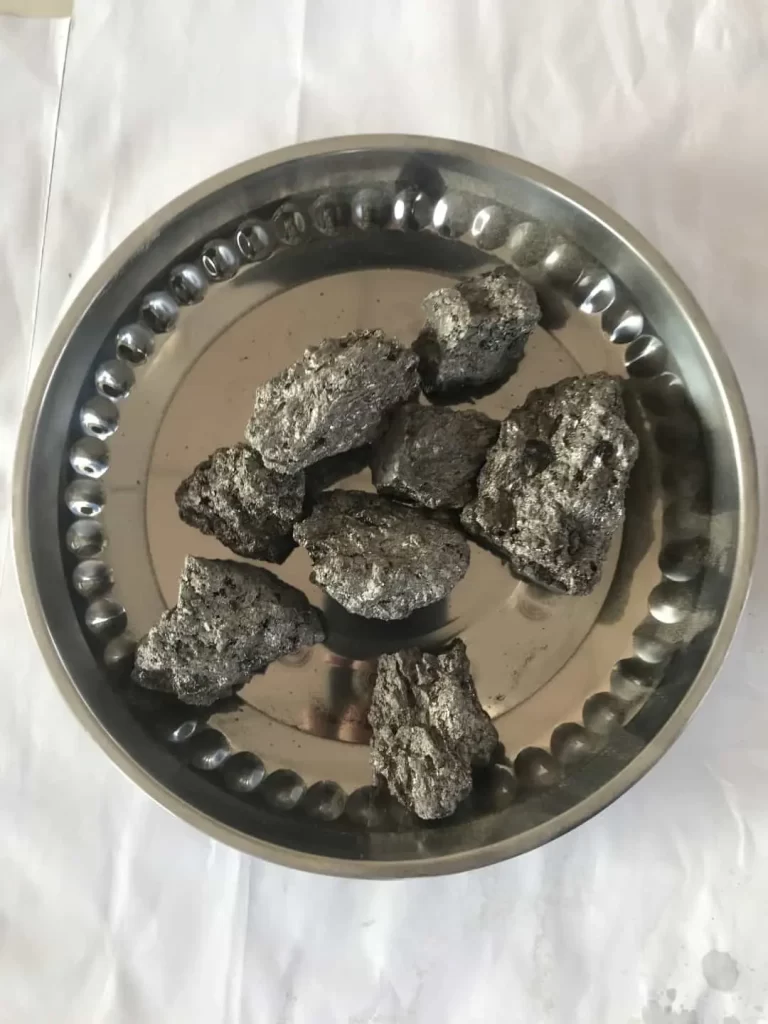
Ferrophosphorus (FeP) is an iron-phosphorus alloy typically produced as a by-product during the manufacture of elemental phosphorus in electric furnaces. It contains a high percentage of phosphorus combined with iron and small amounts of silicon and other trace elements.
The alloy is brittle and metallic in appearance and is commonly supplied in lump, granule, or powder form for metallurgical applications.
Main Ferrophosphorus Uses in the Steel Industry
1. Alloying Agent in Carbon Steel Production
One of the primary ferrophosphorus uses is as a phosphorus alloying additive in carbon steels. Controlled phosphorus additions can:
- Increase tensile strength
- Improve hardness
- Enhance machinability
- Improve atmospheric corrosion resistance
In structural steels and weathering steels, small phosphorus additions improve durability in outdoor environments.
2. Production of Free-Cutting Steels
Free-machining steels require specific chemical compositions to improve chip formation during cutting. Ferrophosphorus helps:
- Increase brittleness for better machinability
- Reduce tool wear
- Improve dimensional accuracy
This makes it valuable in automotive parts, fasteners, and precision mechanical components.
3. Cast Iron Manufacturing
In cast iron production, ferrophosphorus improves:
- Fluidity of molten metal
- Casting surface finish
- Wear resistance
Phosphorus lowers the melting temperature and increases flowability, making it ideal for thin-wall castings and intricate designs.
4. Corrosion-Resistant Steels
Phosphorus enhances atmospheric corrosion resistance in low-alloy steels. It promotes the formation of a protective oxide layer, reducing rust progression in exposed environments such as bridges, railways, and structural frameworks.
5. Powder Metallurgy Applications
Ferrophosphorus powder is used in powder metallurgy to:
- Improve sintering strength
- Enhance density
- Optimize magnetic properties
It is particularly useful in the production of magnetic materials and specialty components.
Ferro Phosphorus Specification
When sourcing material, ferrophosphorus specification is critical for consistent metallurgical performance. Typical specifications include:
Chemical Composition (Typical Range)
| Element | Content (%) |
|---|---|
| Phosphorus (P) | 18–26% |
| Silicon (Si) | 0.5–3.0% |
| Carbon (C) | ≤1.0% |
| Sulfur (S) | ≤0.5% |
| Iron (Fe) | Balance |
Physical Form
- Lump size: 10–50 mm (customizable)
- Granular: 1–10 mm
- Powder: 100–325 mesh
Melting Point
Approximately 1050–1100°C, depending on composition.
Packaging Options
- 1 MT jumbo bags
- 25 kg bags
- Bulk container loading
Industrial buyers should request mill test certificates (MTC) and third-party analysis to ensure chemical consistency.
Benefits of Using Ferrophosphorus in Steelmaking
1. Cost-Effective Alloying Solution
Compared to other alloying elements such as vanadium or nickel, ferrophosphorus is significantly more economical. It allows steelmakers to:
- Reduce production costs
- Achieve targeted mechanical properties
- Optimize alloy balance
2. Improved Mechanical Properties
Controlled phosphorus additions enhance:
- Yield strength
- Hardness
- Abrasion resistance
This makes ferrophosphorus valuable for wear plates, rails, and heavy-duty equipment.
3. Enhanced Machinability
In free-cutting steels, phosphorus reduces ductility slightly but improves machinability — reducing energy consumption and tool wear during manufacturing.
4. Improved Casting Performance
Phosphorus improves molten metal fluidity, resulting in:
- Fewer casting defects
- Better mold filling
- Improved surface finish
5. Sustainable By-Product Utilization
Ferrophosphorus is produced as a by-product in phosphorus production. Its reuse in steelmaking supports resource efficiency and reduces industrial waste.
Choosing a Reliable Ferrophosphorus Supplier
Selecting the right ferrophosphorus supplier is crucial for maintaining production stability. Key evaluation factors include:
1. Quality Control Standards
Look for ISO-certified manufacturers with strict chemical composition control.
2. Custom Specification Capability
Industrial buyers may require tailored phosphorus percentages or particle sizes.
3. Stable Bulk Supply
Large-scale steel mills require a consistent, high-volume supply with reliable logistics.
4. Competitive Pricing
Bulk contracts often secure better pricing stability.
5. Technical Support
Professional suppliers provide application guidance and alloy adjustment recommendations.
Global Market Demand Trends
The steel industry continues to grow across:
- Infrastructure projects
- Automotive manufacturing
- Railway expansion
- Heavy equipment production
As cost control remains a priority, ferrophosphorus uses are expanding due to its balance between performance and affordability.
Emerging markets in Southeast Asia, the Middle East, and Africa are increasing steel output, further driving demand for ferroalloys, including ferrophosphorus.
Storage and Handling Considerations
To maintain material integrity:
- Store in dry, ventilated areas
- Avoid moisture exposure
- Prevent contamination
- Handle powder form with dust control systems
Proper storage ensures chemical stability and consistent alloying performance.
Frequently Asked Questions (FAQ)
What is the main purpose of ferrophosphorus in steel?
Its main purpose is to introduce controlled phosphorus levels to improve strength, hardness, machinability, and corrosion resistance.
What is the standard ferrophosphorus specification?
Typical phosphorus content ranges from 18% to 26%, with iron as the balance element and controlled silicon, carbon, and sulfur levels.
Can ferrophosphorus improve corrosion resistance?
Yes. Small phosphorus additions enhance atmospheric corrosion resistance in certain steel grades.
Is ferrophosphorus suitable for cast iron?
Yes. It improves fluidity and casting performance in gray and ductile iron.
How do I choose a ferrophosphorus supplier?
Evaluate chemical consistency, production capacity, certification, logistics capability, and technical support.
Conclusion
Understanding ferrophosphorus uses in the steel industry is essential for optimizing alloy design, improving mechanical properties, and reducing production costs. With controlled chemical composition and proper application, ferrophosphorus enhances strength, machinability, casting quality, and corrosion resistance.
As global steel demand continues to grow, selecting a reliable ferrophosphorus supplier with stable bulk capacity and consistent ferro phosphorus specification becomes increasingly important for competitive manufacturing.
Looking for a trusted ferrophosphorus supplier offering consistent quality and competitive pricing?
Get a Bulk Quote today to receive:
- Customized ferrophosphorus specification
- Mill test certificates
- Bulk pricing options
- Fast global shipping solutions
Contact our sales team now to secure your industrial supply.