


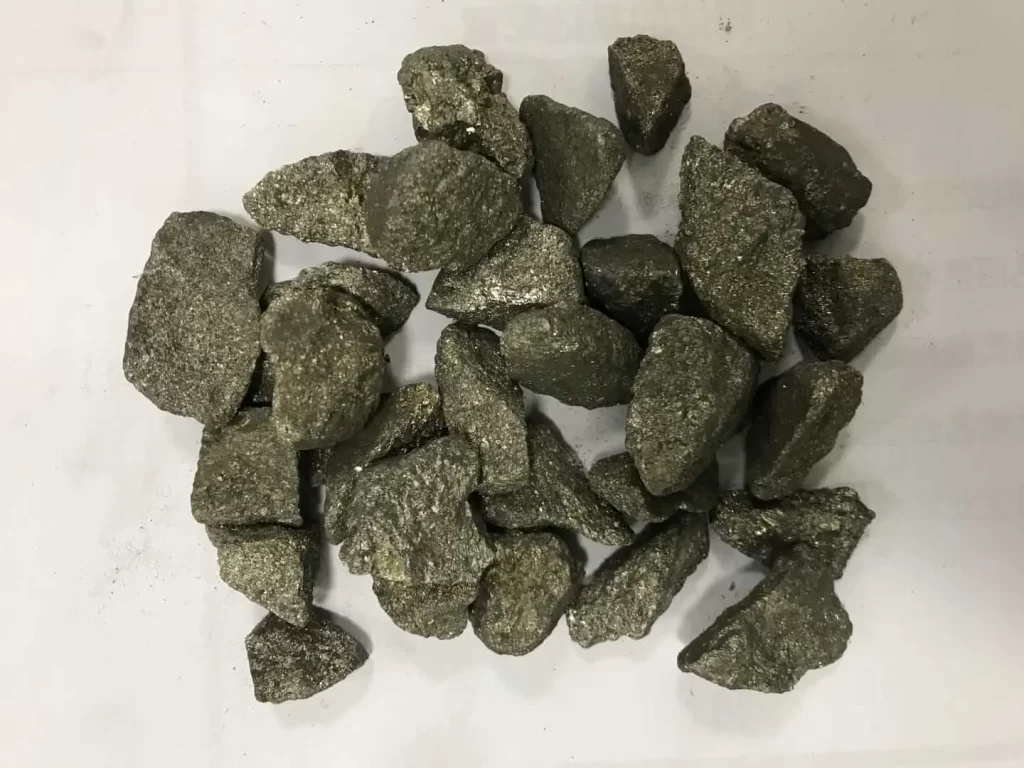
In the world of metallurgy, the quest for materials that improve performance and efficiency is never-ending. One such material that has gained attention is pyrite, commonly known as iron sulfide (FeS2). Traditionally recognized for its ornamental applications, pyrite’s industrial utility—particularly as a sulfurizing agent in the smelting and casting of free-cutting steel—has proven to be revolutionary. This article delves into the significance of pyrite in enhancing the properties of free-cutting steel, focusing on its benefits, applications in casting shops, and overall impact on the manufacturing process.
Understanding Free-Cutting Steel
Free-cutting steel is a type of carbon steel designed specifically for ease of machining. It possesses certain properties that make it preferable for high-speed machining applications, including:
- Improved Machinability: Free-cutting steels are formulated to enhance the ease with which they can be shaped and cut.
- High Wear Resistance: These steels can withstand wear, making them ideal for tools and components that undergo significant stress.
- Excellent Surface Finish: The machining of free-cutting steels often results in superior surface quality, which is crucial for aesthetic and functional purposes.
Despite these inherent advantages, the addition of specific elements can further enhance their performance, leading to better outcomes in various manufacturing processes, especially in casting shops.
The Function of Pyrite as a Sulfurizing Agent in Casting Shops
1. Enhancement of Cutting Performance
One of the primary reasons pyrite lumps are employed in the production of free-cutting steel is their ability to act as a sulfurizing agent. The addition of sulfur to steel can significantly improve its machinability. Here’s how:
- Reduction of Cutting Forces: By introducing sulfur into the steel matrix, pyrite helps lower the cutting forces required during machining. This reduction in force not only makes the machining process easier but also extends the life of cutting tools used in casting operations.
- Lowering Operating Temperatures: Pyrite aids in decreasing the temperatures generated during machining. High temperatures can lead to tool wear and affect the integrity of the workpiece; thus, maintaining cooler operating conditions is beneficial for both tool longevity and product quality in casting applications.
2. Improving Mechanical Properties
The incorporation of pyrite into free-cutting steel doesn't just enhance machinability; it also contributes to increased mechanical properties:
- Enhanced Tool Life: The use of pyrite helps reduce wear on cutting tools, allowing them to maintain sharpness longer. This extended tool life translates into reduced downtime and lower costs associated with tool replacement in casting processes.
- Superior Chip Removal: Pyrite improves chip formation and removal during machining. Well-formed chips lead to a smoother cutting process and minimize the risk of chip clogging, thereby ensuring consistent machining performance in casting operations.
3. Reduction in Surface Roughness
Surface finish plays a crucial role in the quality of manufactured components. Pyrite enhances the surface finish of machined parts in several ways:
- Smoother Surfaces: The presence of sulfur from pyrite leads to a more uniform microstructure in the steel, resulting in finer and smoother surfaces after machining.
- Decreased Surface Defects: By improving the flow characteristics of the material during cutting, pyrite helps minimize defects such as burrs and rough edges, enhancing the overall quality of the final product produced in casting shops.
Applications of Pyrite-Enhanced Free-Cutting Steel in Casting Shops
The benefits derived from using pyrite in free-cutting steel have led to its application across various industries, particularly in casting shops, including:
- Automotive Manufacturing: Components such as gears, shafts, and fittings often require high levels of precision and surface quality, making pyrite-enhanced free-cutting steel an ideal choice for casting automotive parts.
- Aerospace Industry: In aerospace applications, where weight-to-strength ratios are critical, the enhanced properties of free-cutting steel can contribute to safer and more efficient designs in cast components.
- Tool Manufacturing: The use of pyrite in tool steel allows for the production of high-performance cutting tools that meet the rigorous demands of modern machining operations found in casting environments.
Environmental Considerations
While the use of pyrite brings numerous benefits to the steel industry, it is essential to consider the environmental implications. Mining and processing pyrite must be conducted responsibly to mitigate environmental impacts, particularly regarding sulfur emissions. However, when utilized effectively, pyrite can contribute to more sustainable machining practices in casting shops by reducing energy consumption and waste generation.
Conclusion
Pyrite stands out as a valuable sulfurizing agent in the production of free-cutting steel, particularly in casting shops. By enhancing cutting performance, improving mechanical properties, and reducing surface roughness, pyrite significantly contributes to the efficiency and efficacy of machining operations. Its applications across various industries underscore its importance in modern metallurgy. As manufacturers continue to seek improvements in their processes, the role of pyrite in enhancing free-cutting steel is likely to become even more pronounced, paving the way for innovations that drive the industry forward.
In summary, embracing materials like pyrite optimizes performance also aligns with the ongoing pursuit of excellence in manufacturing, especially in casting applications. By integrating sulfurizing agents effectively, casting shops can achieve higher productivity rates, improved product quality, and a competitive edge in the global market.