


目次
When comparing iron pyrite vs sulfur, the main difference lies in composition and application efficiency. Iron pyrite (FeS₂) contains both iron and sulfur, making it suitable for metallurgical and dual-element processes. In contrast, sulfur (S) is nearly pure elemental sulfur, preferred for high-purity chemical production such as sulfuric acid and rubber vulcanization. The better choice depends on sulfur concentration needs, cost per usable sulfur unit, environmental regulations, and supply chain stability.
Iron pyrite is often chosen when iron integration is beneficial or when sulfur supply is limited, whereas elemental sulfur is preferred for cleaner combustion and higher sulfur yield efficiency.
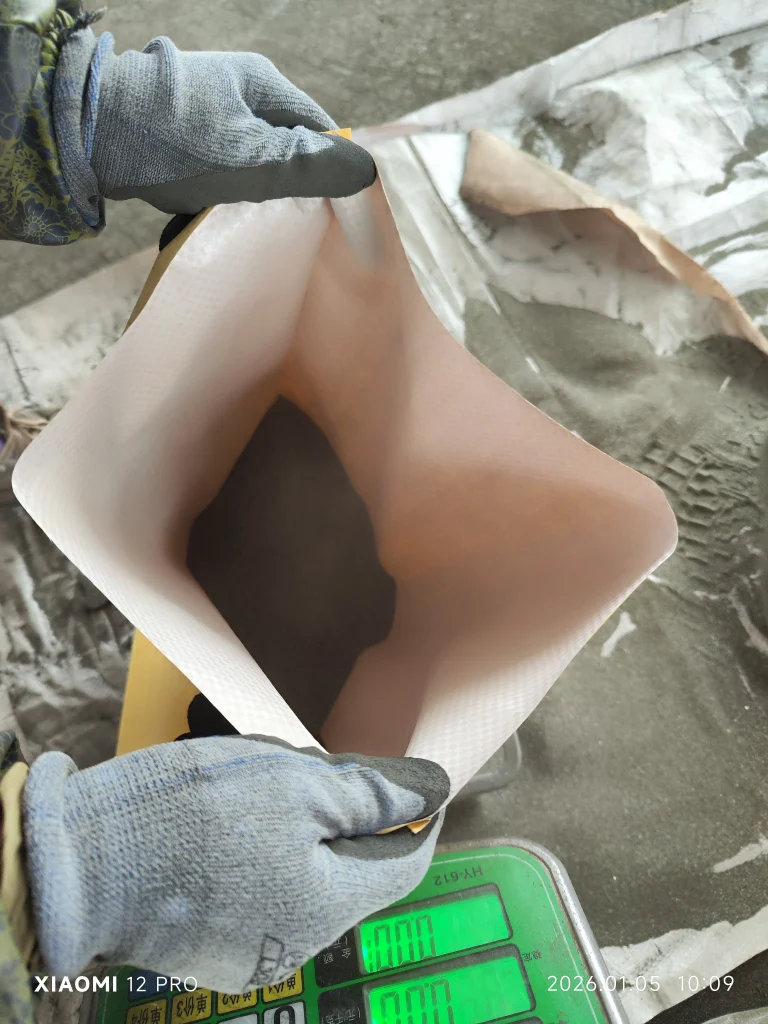
黄鉄鉱粉末とは何ですか?
Iron pyrite (FeS₂) is a naturally occurring iron disulfide mineral. In powdered form, it is used in:
- 硫酸の製造
- Metallurgical additives
- Battery materials research
- Chemical catalysts
- Pigments and specialty fillers
Unlike elemental sulfur, pyrite contains both iron and sulfur, which influences its thermal behavior and reaction pathways.
What Is Sulfur?
Sulfur (S) is a bright yellow non-metallic element widely used in:
- 硫酸の製造
- Rubber vulcanization
- 肥料
- Chemical intermediates
- 医薬品
Sulfur is typically supplied in prills, granules, powder, or molten form.
Iron Pyrite vs Sulfur: Key Differences
Below is a structured comparison across industrial criteria.
1️⃣ Chemical Composition
| Factor | Iron Pyrite (FeS₂) | Sulfur (S) |
|---|---|---|
| Chemical Formula | FeS₂ | S₈ (elemental) |
| 硫黄含有量 | ~53% sulfur by weight | ~99.5%+ sulfur |
| 鉄含有量 | Yes | No |
Verdict:
If pure sulfur content is the priority, elemental sulfur delivers a higher concentration. However, if iron is beneficial in downstream reactions (e.g., metallurgy), iron pyrite offers dual functionality.
2️⃣ Sulfuric Acid Production
Historically, sulfuric acid was produced from roasted pyrite. Today, many facilities prefer elemental sulfur because:
- It burns cleaner
- Produces fewer solid residues
- Simplifies emission control
However, in regions where sulfur supply is limited, pyrite remains a viable raw material.
Best Choice:
- Large petrochemical complexes → Sulfur
- Regions with strong mining supply → Iron pyrite
3️⃣ Cost Comparison
Cost depends heavily on geography and supply chain factors.
- Sulfur pricing is linked to oil & gas refining output.
- Iron pyrite pricing is linked to mining activity.
In some markets, pyrite may offer a lower per-ton raw material cost, but when adjusted for sulfur content, elemental sulfur may provide higher efficiency per unit sulfur delivered.
Industrial buyers should evaluate:
- Price per ton
- Effective sulfur yield
- Transportation costs
- Handling infrastructure
4️⃣ Handling & Storage
Sulfur
- Flammable in powder form
- Requires dust control
- Low melting point (~115°C)
黄鉄鉱粉末
- More chemically stable at room temperature
- Less prone to melting
- Can oxidize slowly when exposed to moisture
From a storage perspective, both materials require dry conditions, but sulfur presents higher fire risks under certain conditions.
5️⃣ Metallurgical Applications
In steelmaking and casting:
- Iron pyrite can serve as a sulfur source while introducing iron.
- Elemental sulfur may require controlled addition to prevent over-sulfidation.
For certain alloy processes, FeS₂ may integrate more smoothly into metallurgical systems.
Advantage: Iron pyrite in iron-based systems.
6️⃣ Environmental & Emissions Considerations
Both materials release sulfur dioxide (SO₂) when burned.
However:
- Sulfur combustion is cleaner and easier to regulate.
- Pyrite roasting generates additional solid residues (iron oxides).
Environmental regulations may influence material selection.
7️⃣ Industrial Application Suitability
| 応用 | Better Option |
|---|---|
| Sulfuric acid (modern plants) | Sulfur |
| Metallurgy / iron systems | 黄鉄鉱 |
| Battery research | 黄鉄鉱 |
| Rubber vulcanization | Sulfur |
| Mining regions with limited refinery sulfur | 黄鉄鉱 |
When to Choose Iron Pyrite Powder
黄鉄鉱 may be the better choice when:
✔ Iron content is beneficial in process chemistry
✔ Sulfur supply chain is unstable
✔ Cost advantage exists in mining regions
✔ Solid-state additive is preferred
✔ Dual-element reaction is required
When to Choose Sulfur
Sulfur is generally preferred when:
✔ High sulfur purity is required
✔ Clean combustion is critical
✔ Chemical-grade production demands minimal residue
✔ Rubber or fertilizer industries require elemental sulfur
Performance Efficiency Comparison
If comparing sulfur yield efficiency:
- 1 ton sulfur ≈ nearly 1 ton usable sulfur
- 1 ton iron pyrite ≈ ~0.53 ton sulfur equivalent
Therefore, buyers must evaluate effective sulfur cost, not just raw ton price.
Market Trends: Iron Pyrite vs Sulfur
Global sulfur supply is strongly tied to oil refining capacity. As energy markets fluctuate, sulfur pricing can vary significantly.
Meanwhile, iron pyrite remains widely available in mining economies. With increased interest in diversified raw material supply chains, pyrite has regained strategic attention in certain industrial segments.
Procurement Strategy: How to Compare Suppliers
When evaluating suppliers for either material, consider:
- Chemical purity
- Impurity profile
- Particle size (for powders)
- Logistics reliability
- Long-term pricing stability
- Environmental compliance
Request:
- Certificate of Analysis (COA)
- Material Safety Data Sheet (MSDS)
- Batch traceability documentation
Final Verdict: Iron Pyrite vs Sulfur — Which Is Better?
There is no universal winner.
The better choice depends on:
- Application requirements
- Cost structure
- Environmental regulations
- Supply chain stability
- Process compatibility
For high-purity sulfur applications, elemental sulfur usually wins.
For integrated metallurgical or dual-element needs, iron pyrite offers unique advantages.
Industrial buyers should base decisions on total process efficiency, not only raw material price.
📈 Want to Compare Technical Specifications?
To make a precise material decision, review full chemical analysis, impurity levels, and particle size data.
👉 Contact our technical team to receive detailed comparison data and bulk supply options.